
STOP LIVING
AROUND THE PAIN.
Chronic back pain can make everyday life feel smaller. Finding the source is the first step toward understanding what treatment can actually help.
CHRONIC BACK PAIN: COMMON CAUSES, SYMPTOMS, AND TREATMENT OPTIONs
Back pain that sticks around can affect everything from how you work and sleep to how long you can sit, stand, exercise, or enjoy everyday activities. When the pain continues despite rest, physical therapy, medication, or other treatments, it may be time to look deeper at what is happening in your spine.
At Texas Disc Replacement Center, Dr. Antonio Webb evaluates the underlying cause of chronic back pain and helps patients understand their options, including motion-preserving treatments when a damaged spinal disc is responsible for their symptoms.
What Is Chronic Back Pain?
Chronic back pain is generally defined as back pain that continues for more than 12 weeks. Unlike a temporary muscle strain or short-term injury, chronic pain may persist because of an underlying problem involving the spinal discs, joints, nerves, bones, or surrounding tissues.
The pain may stay centered in the lower back or travel into the buttocks and legs when nearby nerves are involved. Finding the source of the pain is important because treatment depends on why your back hurts, not simply how long it has been hurting.
What Does Chronic Back Pain Feel Like?
Persistent Aching: A deep, dull, or nagging pain that remains in the lower back for weeks or months.
Sharp or Burning Pain: Sudden or intense pain that may worsen with certain movements or positions.
Radiating Leg Pain: Pain that travels from the lower back into the buttock, thigh, or leg when a nerve is irritated.
Numbness or Tingling: A “pins and needles” sensation that may develop when spinal nerves are compressed.
Pain With Movement: Discomfort that becomes worse with bending, lifting, twisting, sitting, standing, or walking.
Stiffness or Limited Mobility: Difficulty comfortably bending, turning, exercising, or completing everyday movements.
Chronic back pain accompanied by progressive weakness, new bowel or bladder problems, fever, or symptoms following significant trauma should receive prompt medical evaluation.

Common Causes of Chronic Back Pain
-
Spinal Stenosis
A narrowing of the spinal canal that puts pressure on the nerves inside it.
-
Pinched nerve
A herniated disc, bone spur, or narrowed canal compressing a nerve root.
-
Spinal instability
Excess movement between vertebrae, often following a previous injury or surgery.
-
Facet joint arthritis
Wear and tear on the small joints connecting the vertebrae.
-
Degenerative disc disease
Discs lose height and hydration over time, reducing the cushioning between vertebrae.
WHAT ARE THE SYMPTOMS OF CHRONIC BACK PAIN?
Chronic back pain can feel different from person to person, but symptoms often linger for weeks or months and interfere with everyday movement.
Persistent Aching: A deep, dull, or nagging pain in the lower back that continues or repeatedly comes back.
Sharp or Burning Pain: More intense pain that may develop with certain movements, activities, or positions.
Radiating Pain: Pain that travels from the lower back into the buttock, thigh, or leg when nearby nerves are irritated.
Pain With Movement: Discomfort that worsens with sitting, standing, bending, lifting, twisting, or walking.
Stiffness or Limited Mobility: Difficulty bending, turning, exercising, or moving comfortably throughout the day.
TREATMENT OPTIONS FOR CHRONIC BACK PAIN
Most chronic back pain starts with conservative treatment. Dr. Webb typically works from the least invasive option first, depending on what is actually causing the pain.
1. Conservative Care: Physical therapy, activity modification, anti-inflammatory medication, and strengthening may help manage symptoms and improve function without surgery.
2. Targeted Injections or Pain Management: When inflammation or a specific spinal structure is contributing to the pain, injections may help reduce symptoms or provide more information about the source.
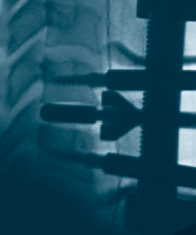
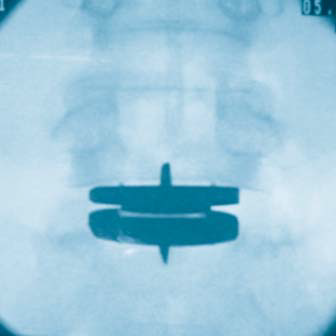
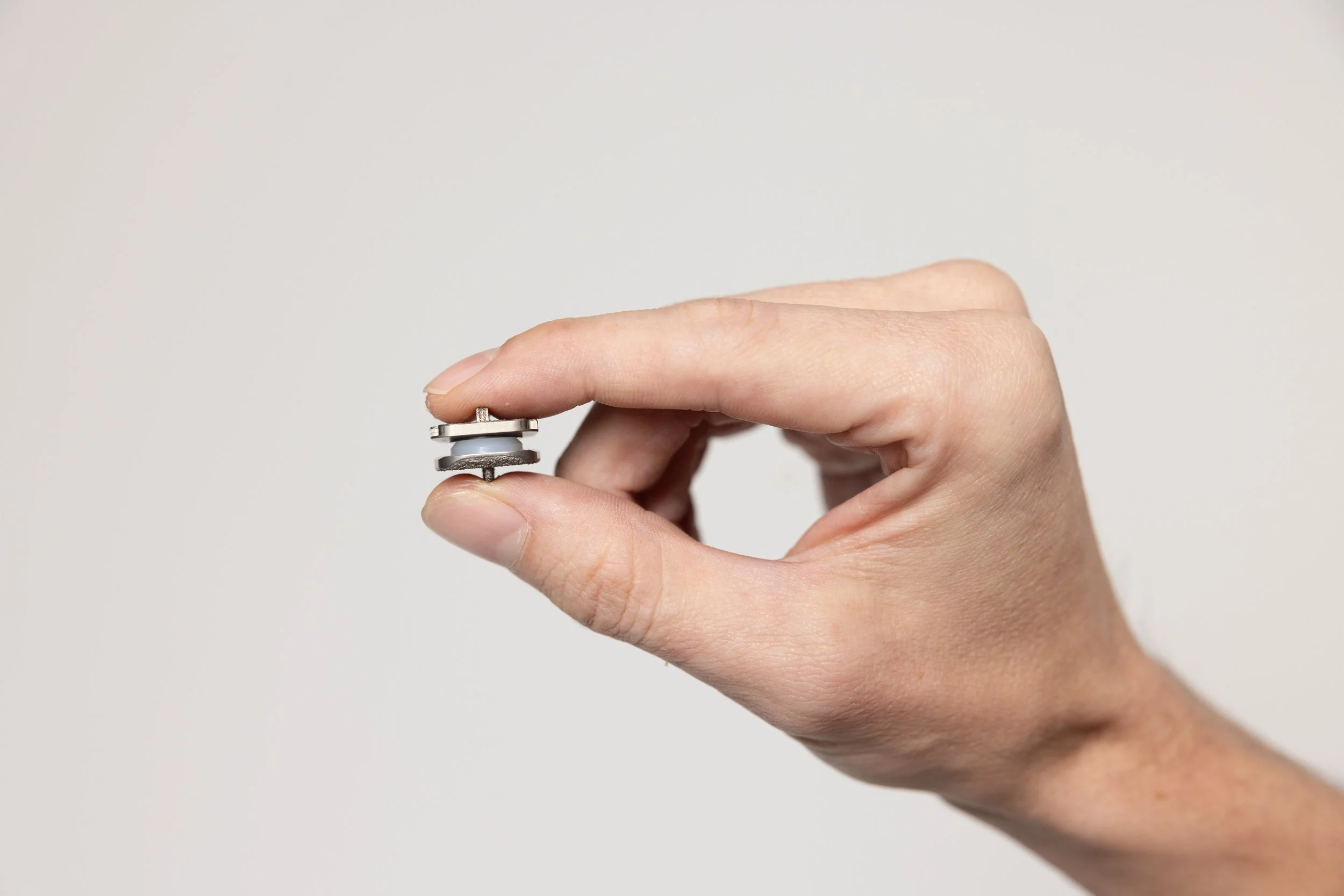
3. Motion-Preserving Disc Replacement: When a worn or damaged disc is identified as the source of chronic pain, disc replacement may relieve the problem while preserving motion at the treated level instead of fusing it.
The right treatment depends on the cause of your back pain, how long symptoms have lasted, what treatments you have already tried, and whether motion-preserving surgery is an option for your spine.
When Could Disc Replacement Fit Chronic Back Pain?
For carefully selected patients whose chronic lower back pain is associated with symptomatic degenerative disc disease, artificial disc replacement may provide an alternative to permanently fusing the affected segment. FDA-approved lumbar artificial discs have specific indications, so candidacy depends on factors such as the affected level, bone health, anatomy, instability, arthritis, symptoms, and prior conservative treatment.
Frequently Asked Questions About Chronic Back Pain
-
Yes. A worn, collapsed, or herniated disc can contribute to chronic lower back pain and, in some cases, irritation or compression of nearby nerves.
-
Disc replacement may be considered when a damaged disc has been identified as the source of your symptoms and conservative treatment has not provided enough relief. Dr. Webb also looks at factors such as bone quality, spinal stability, arthritis, and the level involved.
-
It may, when the symptoms are being caused by a damaged disc that is compressing or irritating a nearby nerve. The source of the nerve pressure has to be identified first.
-
Spinal fusion permanently joins two vertebrae together. Artificial disc replacement removes the damaged disc and replaces it with an implant designed to preserve motion at the treated level.
-
No. Many patients with degenerative disc disease are treated without surgery. Surgery is generally considered when symptoms continue despite conservative care and the damaged disc is determined to be the source of the pain.
-
No. Chronic back pain can come from many different structures in the spine, and disc replacement is only appropriate for certain patients. The first step is determining what is actually causing your symptoms.







Meet Dr. Antonio Webb
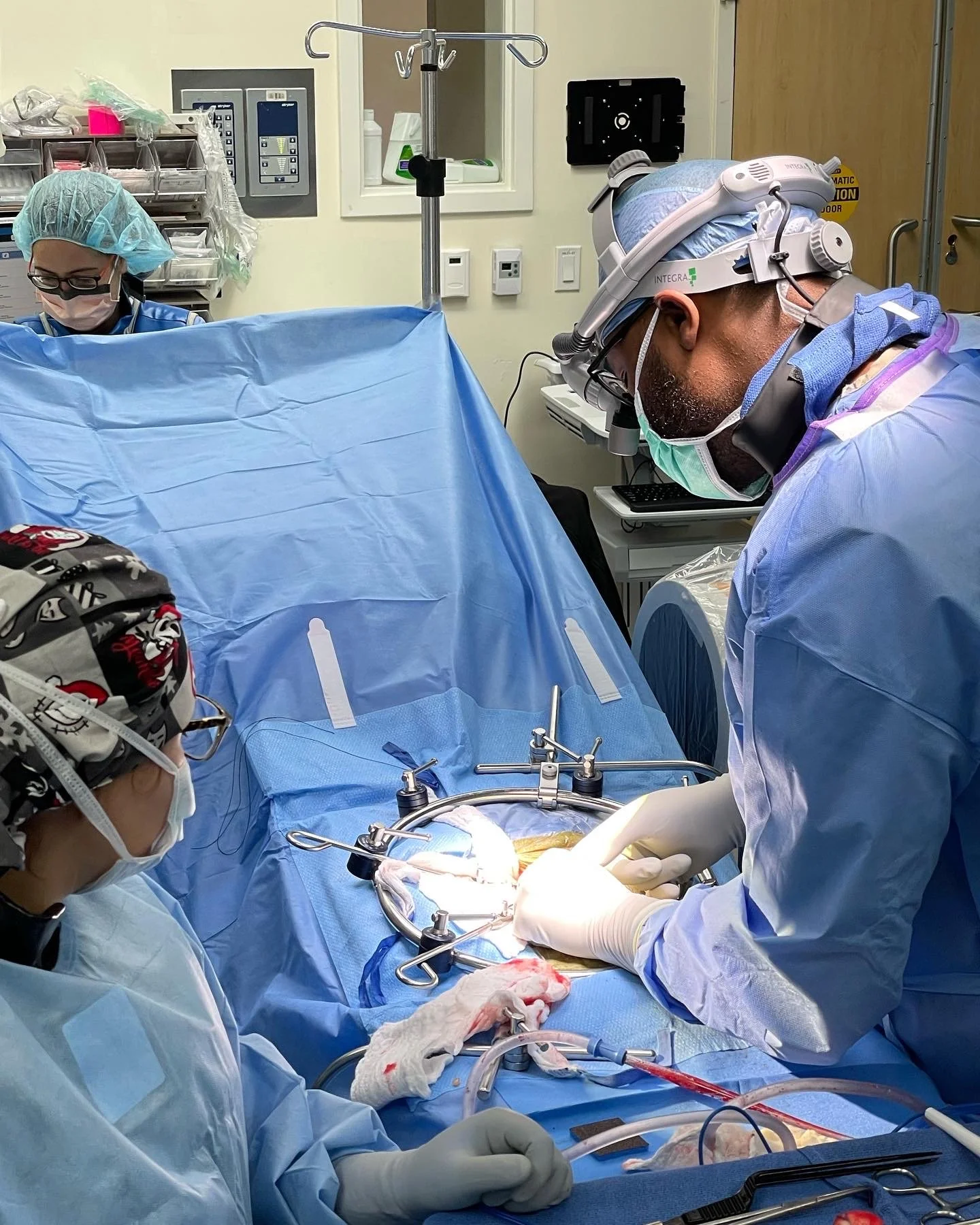
"My philosophy is simple: Move, Not Fuse. I believe surgery should enhance your life, not limit it." Dr. Webb’s expertise in motion preservation allows him to offer solutions that many general surgeons overlook. Trained at the world-renowned Texas Back Institute, he focuses on the latest technology to ensure his patients stay active and pain-free.

Ready to Find Out What's Actually Causing Your Back Pain?
Chronic back pain can come from a damaged disc, nerve compression, spinal instability, or other changes in the spine. If your pain has lasted for months, has not improved with conservative care, or you have been told surgery or fusion may be your next step, upload your imaging for a preliminary review by our specialist team.
We accept most major insurances!
Don’t see yours? Please reach out to our team!