
Find the Cause.
Get Real Relief.
A pinched nerve in your back isn't something to just push through. The right diagnosis is what actually gets you out of pain.
Pinched Nerve (Nerve Impingement) in Your Back: Causes, Symptoms, and What Actually Works
If you're dealing with a pinched nerve on your back, you've probably already tried stretching, ice, or waiting it out. Dr. Antonio Webb helps patients in San Antonio find out exactly what's compressing the nerve and what the most effective path to relief actually looks like, without jumping straight to fusion.
What Is A Pinched Nerve?
A pinched nerve, also called nerve impingement, happens when a nerve gets compressed by the tissue around it. In the spine, that pressure usually comes from a herniated or bulging disc, a bone spur, or a narrowed spinal canal pressing on the nerve root as it exits your spine.
In my practice here in San Antonio, I see patients describe this in a lot of different ways. Sharp shooting pain, a dull ache that won't quit, or numbness that runs down an arm or leg. The sensation depends on which nerve is being compressed and how much pressure it's under.
Where Does Nerve Impingement Happen?
Nerve impingement can occur in different areas of the spine, and the location of the compressed nerve often determines where symptoms are felt.
Pinched Nerve in the Lower Back: The most common location. A pinched nerve in the lower back (lumbar radiculopathy) often causes pain, numbness, or weakness that travels down the buttock and leg, sometimes called sciatica.
Pinched Nerve in the Neck: Compression in the cervical spine can send pain, numbness, or weakness down the shoulder, arm, and into the hand.
Whether symptoms begin in the neck or lower back, nerve compression can affect everyday movement and comfort, making an accurate diagnosis important for determining the right treatment.

What Are the Symptoms of a Pinched Nerve?
Symptoms usually point pretty clearly to a nerve being involved, rather than a general muscle ache.
Radiating Pain: Sharp, shooting, or burning pain that travels away from the spine and into the arm or leg.
Numbness or Tingling: A “pins and needles” sensation that follows the path of the affected nerve.
Muscle Weakness: Weakness in the muscles controlled by the compressed nerve, which may affect walking, lifting, or gripping.
Pain With Certain Positions: Symptoms that worsen with movements or positions such as sitting, bending, twisting, or turning the neck.
Persistent Pins and Needles: Tingling or numbness that does not quickly improve after changing positions or moving around.
Treatment Options for a Pinched Nerve
Most pinched nerves respond to conservative care. Here's how Dr. Webb typically approaches it, starting with the least invasive option first.
1. Conservative Care: Physical therapy, activity modification, and anti-inflammatory medication resolve most cases without any procedure at all.
2. Minimally Invasive Decompression: When a bone spur or narrowed canal is the cause, relieving the pressure through a small incision can bring fast relief.
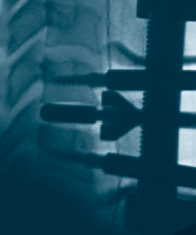
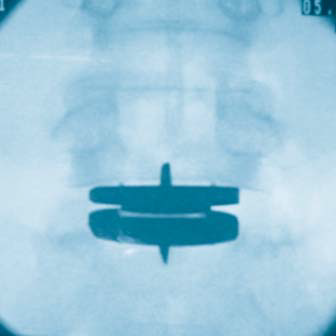
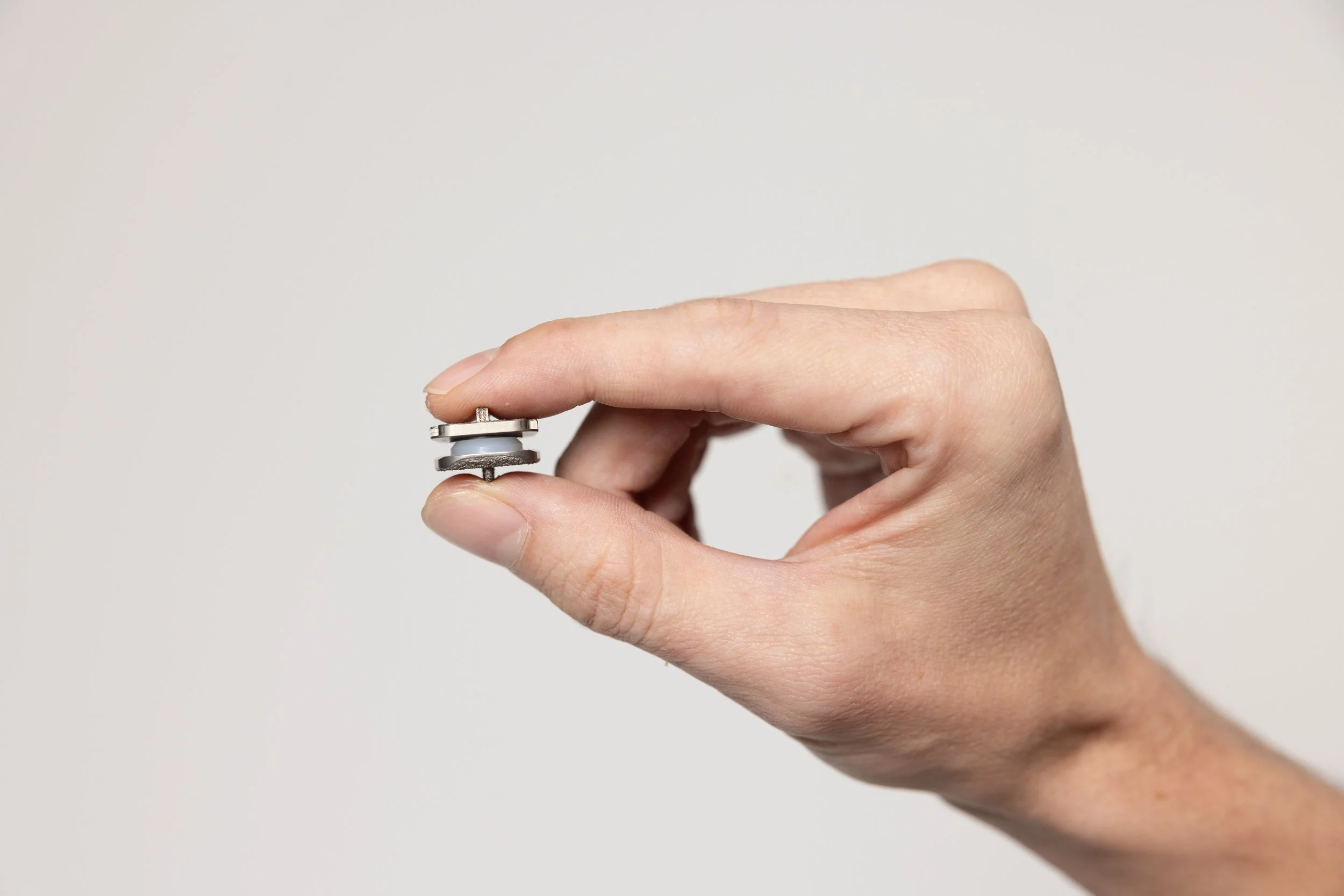
3. Motion-Preserving Disc Replacement: When a worn or herniated disc is the source, replacing it removes the pressure at the root cause while keeping the segment mobile, no fusion required.
The right treatment depends on what is causing the nerve compression, how severe your symptoms are, and whether preserving motion is an option for your spine.
Why Disc Replacement Can Be An Option
Disc replacement may be an option when a damaged disc is compressing a nerve and the goal is to relieve pressure while preserving motion in the spine.
Frequently Asked Questions About Nerve Impingement
-
There's no guaranteed permanent cure, since it depends entirely on what's causing the compression. What I can tell you is that most pinched nerves respond very well to treatment, especially once we identify and address the actual source rather than just managing symptoms.
-
Most patients describe pain, numbness, or a burning sensation that travels from the lower back down through the buttock and leg. It's often worse when sitting or bending forward.
-
Mild cases often improve within a few weeks with conservative care. Cases caused by a herniated disc or bone spur can take longer and sometimes need a procedure to fully resolve.
-
Sometimes, yes, especially if it's caused by temporary inflammation or muscle tightness. If symptoms last more than a few weeks or are getting worse, it's worth getting evaluated.
-
If you have numbness, weakness, or pain that isn't improving after two to three weeks of home care, or if you notice muscle weakness, it's time for an evaluation.
-
The best way to find out is a proper evaluation of your imaging and symptoms. Upload your imaging or schedule a consultation and I'll walk you through your options.






Meet Dr. Antonio Webb
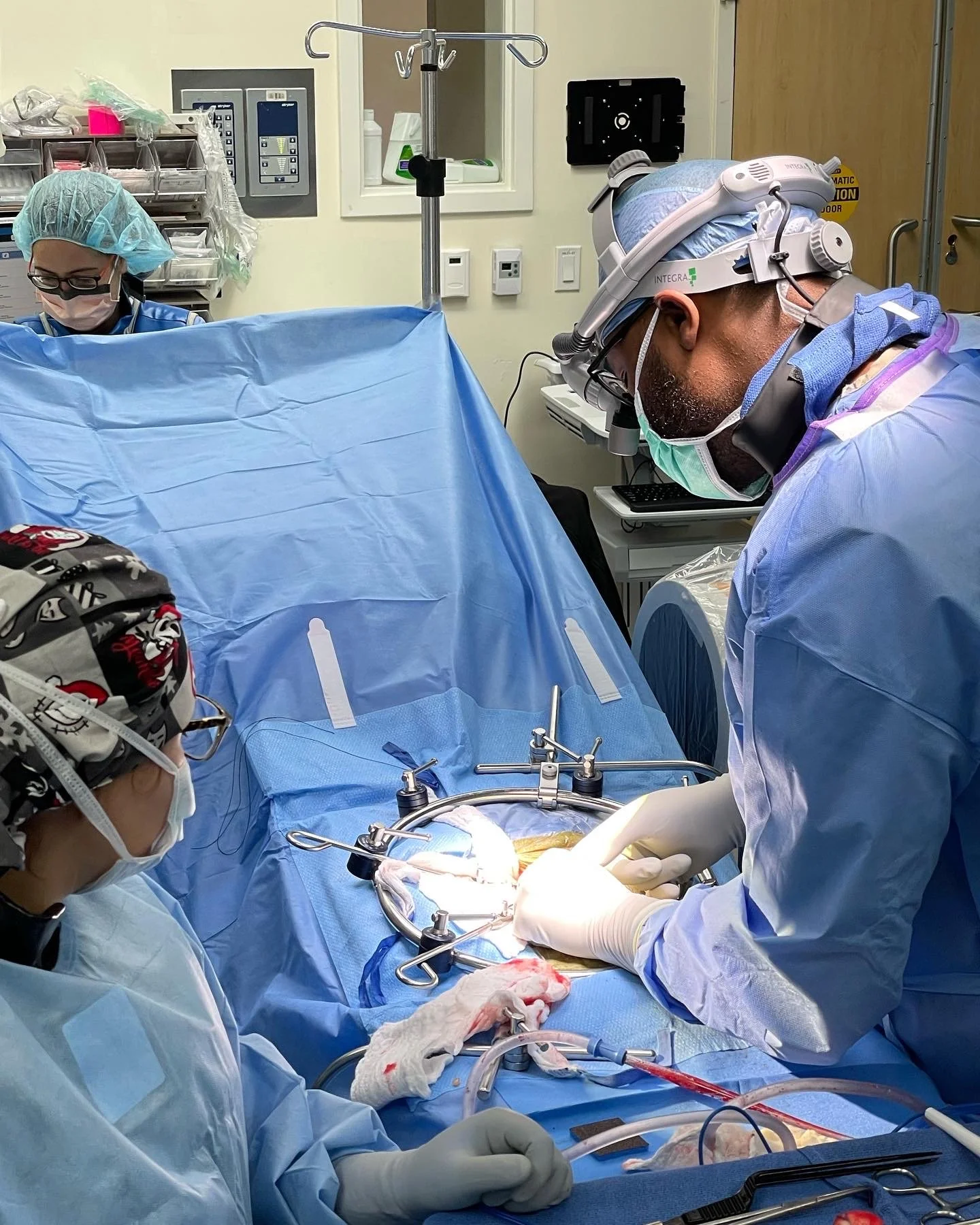
"My philosophy is simple: Move, Not Fuse. I believe surgery should enhance your life, not limit it." Dr. Webb’s expertise in motion preservation allows him to offer solutions that many general surgeons overlook. Trained at the world-renowned Texas Back Institute, he focuses on the latest technology to ensure his patients stay active and pain-free.

Ready to Find Out What's Actually Causing Your Nerve Pain?
A pinched nerve can cause pain, numbness, tingling, or weakness that travels into your arms or legs. If your symptoms are not improving, or you have been told surgery or fusion may be your next step, upload your imaging for a preliminary review by our specialist team.
We accept most major insurances!
Don’t see yours? Please reach out to our team!