
Understand It.
Treat It Right.
Spinal stenosis doesn't have to mean a lifetime of pain or an automatic trip to fusion surgery. The right diagnosis makes all the difference.
Spinal Stenosis Treatment in San Antonio: Get the Right Diagnosis, Get Real Relief
If you've been told you have spinal stenosis, you probably have more questions than answers. Dr. Antonio Webb specializes in diagnosing exactly what's happening in your spine and offering the least invasive path to relief, including motion-preserving options when fusion isn't your only choice.
What Is Spinal Stenosis?
Spinal stenosis is a narrowing of the spaces inside your spine that puts pressure on the nerves running through it. Think of your spinal canal as a tunnel for your nervous system, when that tunnel narrows, whether from bone spurs, thickened ligaments, or a collapsing disc, the nerves inside get squeezed.
In my practice here in San Antonio, I see this narrowing happen for a few different reasons: natural wear and tear as we age, arthritis, or a disc that has lost height and is no longer doing its job as a cushion. The cause matters, because it determines the best way to treat it.
WHERE DOES SPINAL STENOSIS OCCUR?
Spinal stenosis can develop in different areas of the spine, and the location of the narrowing often determines which symptoms a patient experiences.
Cervical Spinal Stenosis: Narrowing in the neck that may cause pain, numbness, weakness, or coordination problems in the arms and hands.
Lumbar Spinal Stenosis: Narrowing in the lower back that may cause leg pain, cramping, heaviness, or difficulty standing and walking.
Understanding where the stenosis is located helps Dr. Webb identify the source of your symptoms and recommend the most appropriate treatment.

Spinal Stenosis Symptoms
Pain With Activity: Pain that worsens when standing or walking but improves when sitting or leaning forward.
Numbness or Tingling: A “pins and needles” sensation in the legs, feet, arms, or hands, depending on where the narrowing occurs.
Muscle Weakness: Difficulty walking long distances, lifting your arms, or gripping everyday objects.
Leg Cramping: Cramping or aching that develops with activity and may sometimes be mistaken for poor circulation.
Balance Problems: Feeling unsteady while walking or noticing a persistent heaviness in the legs.
Not All Stenosis Is the Same
This is the part most patients do not hear enough about. Spinal stenosis caused by thickened bone or ligaments is different from narrowing caused by a worn or collapsed disc pressing into the nerve space. Because the source of the pressure can vary, treatment should be tailored to the specific cause of your symptoms.
The first often needs decompression. The second can sometimes be treated with disc replacement, relieving the pressure while preserving your natural motion instead of fusing the segment. If left untreated, stenosis does not just mean living with pain. Ongoing nerve compression can lead to permanent weakness or nerve damage. The right diagnosis opens up options most patients do not know they have.
When Disc Replacement Fits Your SPINAL Stenosis
Frequently Asked Questions About Spinal Stenosis
-
Spinal stenosis is a narrowing of the spaces inside your spine that puts pressure on the nerves running through it. It can happen in the neck or lower back and usually develops slowly over time.
-
Pain that gets worse when standing or walking and eases when you sit, numbness or tingling in the arms or legs, weakness, cramping, and balance problems are the symptoms I see most often.
-
Most cases come from age related wear and tear such as bone spurs, thickened ligaments, or a disc that has lost height and is no longer cushioning the spine properly. Arthritis is also a common contributor.
-
Not always. Many patients start with physical therapy, injections, or activity changes. Surgery becomes an option when symptoms are severe, progressing, or not responding to conservative treatment.
-
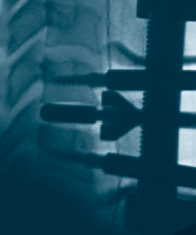
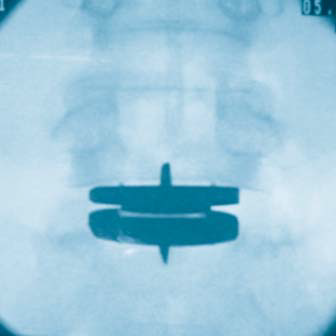
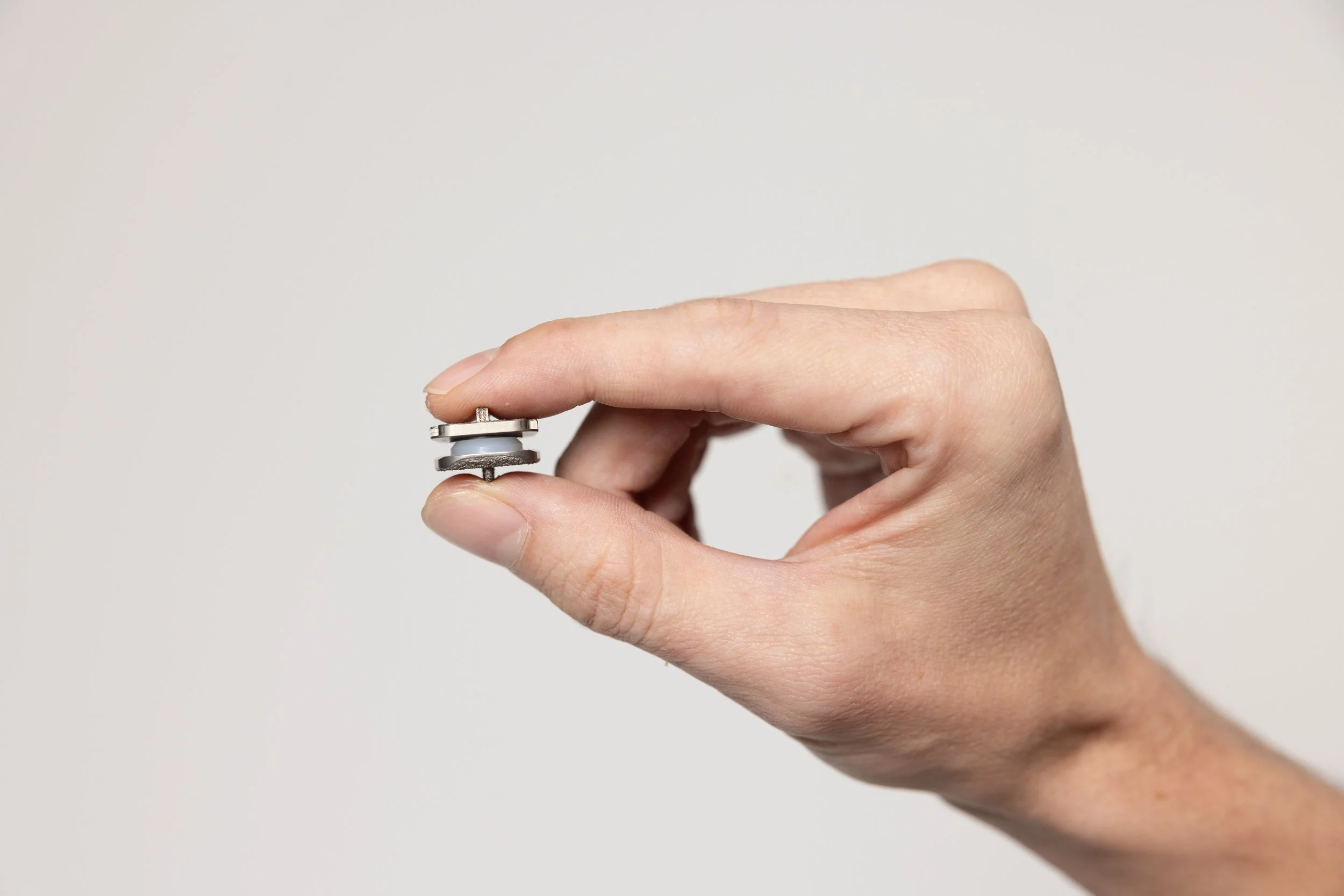
For select patients, artificial disc replacement may be used when a collapsed, bulging, or damaged disc is contributing to nerve compression. The procedure removes the damaged disc, relieves pressure, and replaces it with an implant designed to preserve motion. Candidacy depends on factors such as bone quality, arthritis, spinal stability, and overall anatomy.
-
The best way to find out is a proper evaluation of your imaging and symptoms. Upload your imaging or schedule a consultation and I will walk you through your options.




Meet Dr. Antonio Webb
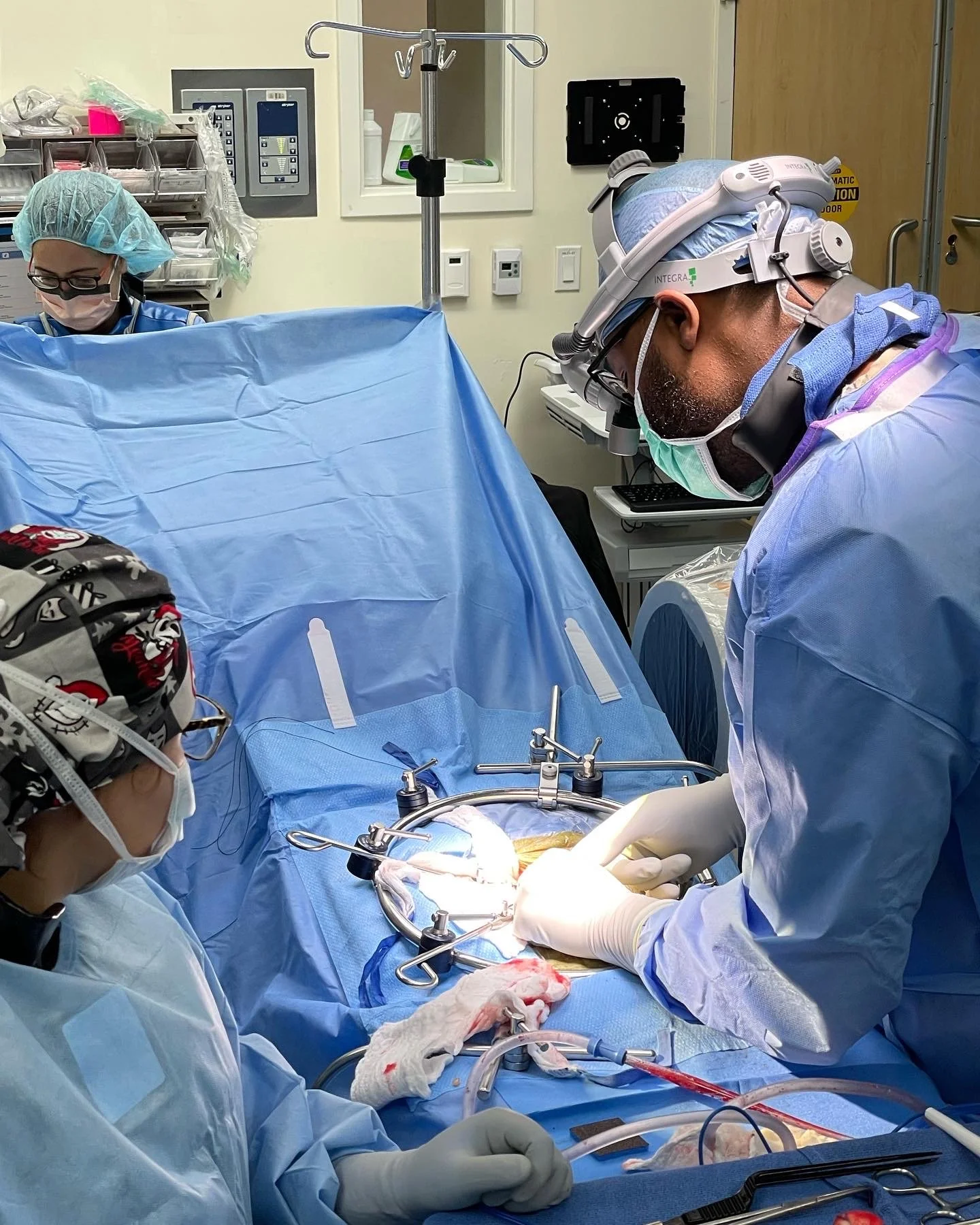
"My philosophy is simple: Move, Not Fuse. I believe surgery should enhance your life, not limit it." Dr. Webb’s expertise in motion preservation allows him to offer solutions that many general surgeons overlook. Trained at the world-renowned Texas Back Institute, he focuses on the latest technology to ensure his patients stay active and pain-free.

Not Sure What Type of Stenosis You Have?
A stenosis diagnosis is not one size fits all. If you have been told your only option is fusion, or you just want clarity on what is actually happening in your spine, upload your imaging for a preliminary review by our specialist team.
What Dr. Webb’s Patients Are Saying
We accept most major insurances!
Don’t see yours? Please reach out to our team!